By The Palermo Properties Team
Owning a historic home in Burlingame comes with both privilege and responsibility. Whether it’s a Craftsman near Burlingame Avenue or a Spanish Revival tucked into Easton Addition, the architectural details are part of the property’s long-term value. We often see homeowners wanting to modernize their interiors while still honoring original millwork, built-ins, and facade integrity. The goal isn’t to freeze a home in time—it’s to elevate it thoughtfully.
Key Takeaways
- Preserve defining architectural elements before introducing modern updates
- Layer contemporary function into kitchens and baths without erasing history
- Use materials that complement original craftsmanship
- Maintain scale, proportion, and authenticity in every design decision
Start With Architectural Preservation
Elements Worth Protecting and Restoring
- Original hardwood floors, often oak or fir
- Crown molding and detailed baseboards
- Built-in cabinetry and window seats
- Decorative fireplaces with period tilework
Burlingame’s historic neighborhoods, particularly Easton Addition and Burlingame Park, feature homes built in the early 1900s through the 1930s. Many include hand-crafted millwork and custom detailing that cannot be replicated easily today.
Before altering layout or finishes, evaluate what defines the home’s era. Restoring original floors or refinishing built-ins typically strengthens both visual cohesion and resale potential. Authentic craftsmanship is a defining feature of historic home interior design in Burlingame, CA, and preserving it anchors every other decision.
Modernize Kitchens Without Erasing Character
Thoughtful Kitchen Updates
- Cabinet profiles that mirror original trim detailing
- Panel-ready appliances to maintain visual consistency
- Marble or quartzite surfaces with classic edge profiles
- Brass or unlacquered hardware that ages naturally
Older Burlingame homes often have compartmentalized kitchens. When opening walls, structural integrity and sightlines should be considered carefully to avoid disrupting period proportions.
Blending traditional cabinetry lines with modern appliances allows for contemporary functionality without visual conflict. Keeping ceiling heights, window placement, and molding continuity intact ensures that updates feel integrated rather than inserted.
Elevate Bathrooms With Period Sensitivity
Design Choices That Respect Era
- Hex or penny tile flooring in early 20th-century homes
- Freestanding soaking tubs in appropriate scale
- Subway tile with classic grout spacing
- Bridge-style or cross-handle plumbing fixtures
Historic Burlingame properties frequently include smaller bathroom footprints. Expanding them requires balancing convenience with architectural rhythm.
Tile selections and fixture profiles should reflect the era of construction. In Spanish Revival homes near Hillside Drive, arched niches and plaster textures complement traditional materials. In Craftsman residences, simplicity and clean geometry maintain authenticity.
Use Color and Texture Intentionally
Palettes That Complement Historic Frameworks
- Warm neutrals that highlight original wood tones
- Muted greens and blues reflecting early California design
- Textiles with subtle pattern rather than bold graphic prints
- Matte finishes instead of high-gloss surfaces
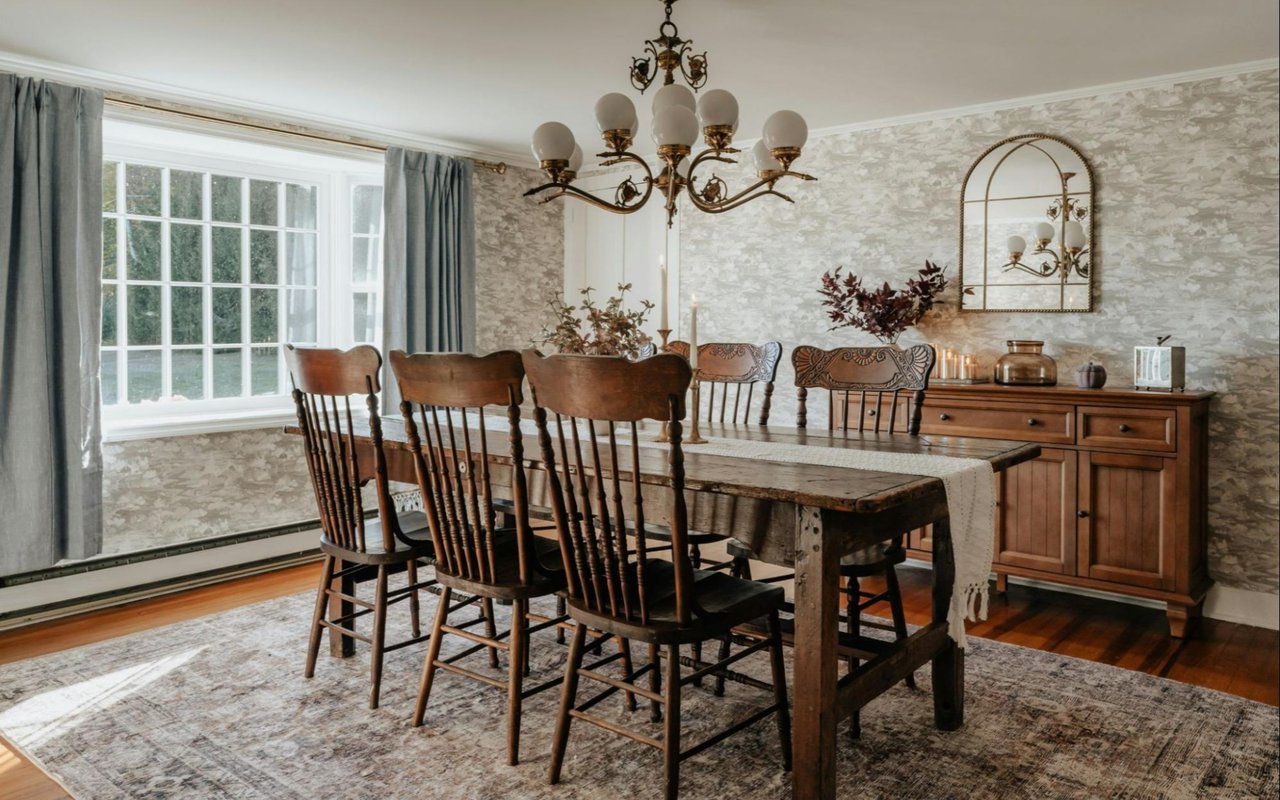
Color influences how original trim and ceiling height read within a room. In Burlingame’s early-century homes, darker stain work pairs best with grounded, muted palettes rather than stark white walls.
Texture also plays a critical role. Natural fibers, woven rugs, and understated drapery maintain visual balance with architectural detailing. Excessively modern contrasts can diminish the home’s cohesive character.
Lighting That Bridges Past and Present
Strategic Lighting Updates
- Reproduction pendant fixtures aligned with original style
- Wall sconces in hallways and stairwells
- Layered lighting with dimmers for flexibility
- Warm temperature bulbs to enhance wood and plaster tones
Lighting in historic homes often needs modernization. Updating electrical systems allows for layered lighting plans that improve daily functionality.
Fixture selection should align with the home’s architectural vocabulary. Oversized contemporary pieces can overwhelm rooms with lower ceilings or detailed molding. Proportion remains critical in historic home interior design in Burlingame, CA.
Layout Adjustments With Structural Awareness
Smart Interior Reconfigurations
- Preserving formal dining rooms when possible
- Opening secondary spaces rather than primary rooms
- Maintaining symmetry in facade-facing rooms
- Reinforcing original window placement and rhythm
Many Burlingame homes were built with formal floor plans. While lifestyle needs evolve, wholesale removal of defining rooms can impact long-term desirability.
Targeted adjustments—such as widening doorways or improving circulation between kitchen and family space—tend to deliver functionality without sacrificing architectural identity. Thoughtful structural decisions maintain both charm and market strength.
FAQs
Can modern design work inside a historic Burlingame home?
Yes, but it should complement rather than compete with original architectural details. Material selection and proportion are key to achieving balance.
Do preserved historic features increase resale value?
In many cases, yes. Buyers are often drawn to original craftsmanship, particularly in established neighborhoods like Easton Addition and Burlingame Park.
Is it better to restore or replace original finishes?
Restoration is typically preferable when feasible, especially for hardwood floors, molding, and built-ins. Replacement can reduce authenticity if not handled carefully.
Designing With Long-Term Value in Mind
Historic homes in Burlingame represent more than square footage—they reflect the city’s early development and architectural heritage. Every interior decision should support that legacy while meeting modern standards.
If you’re planning updates that align with the principles of historic home interior design in Burlingame, CA, connect with us at
The Palermo Properties Team to discuss how thoughtful design influences both daily living and long-term equity. Strategic improvements today protect architectural integrity for years to come.